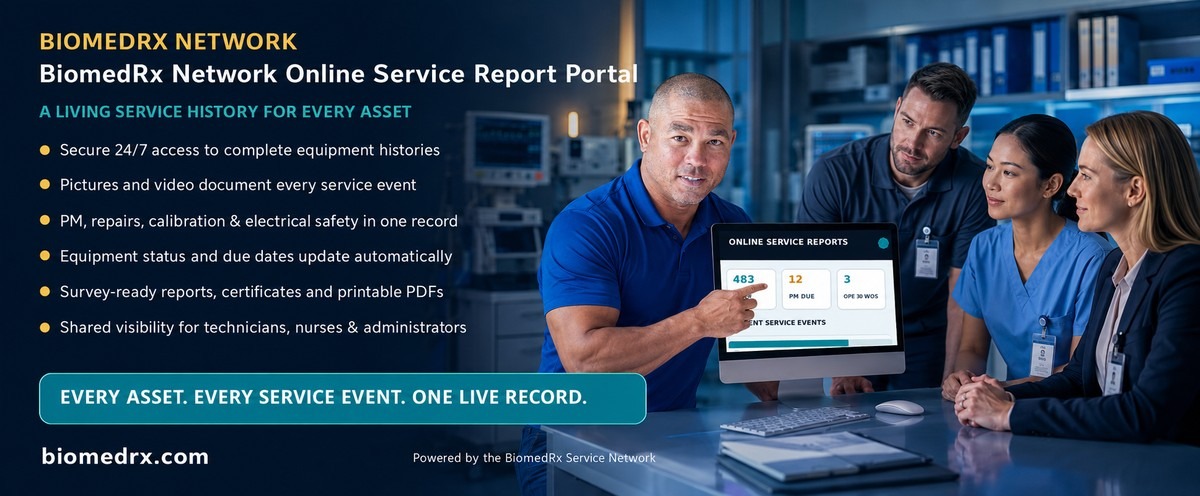
Smart Capital Planning Starts With Honest Medical Equipment Training
You cannot budget for what you cannot see. BiomedRx gives facilities the medical equipment training visibility that makes capital planning credible.
Everything BiomedRx publishes on medical equipment training in one place: the full service overview, the related services we provide, and the locations we cover.
This is the index for medical equipment training. If you already know which service you need, go straight to it below; if not, the full overview explains what each one covers.
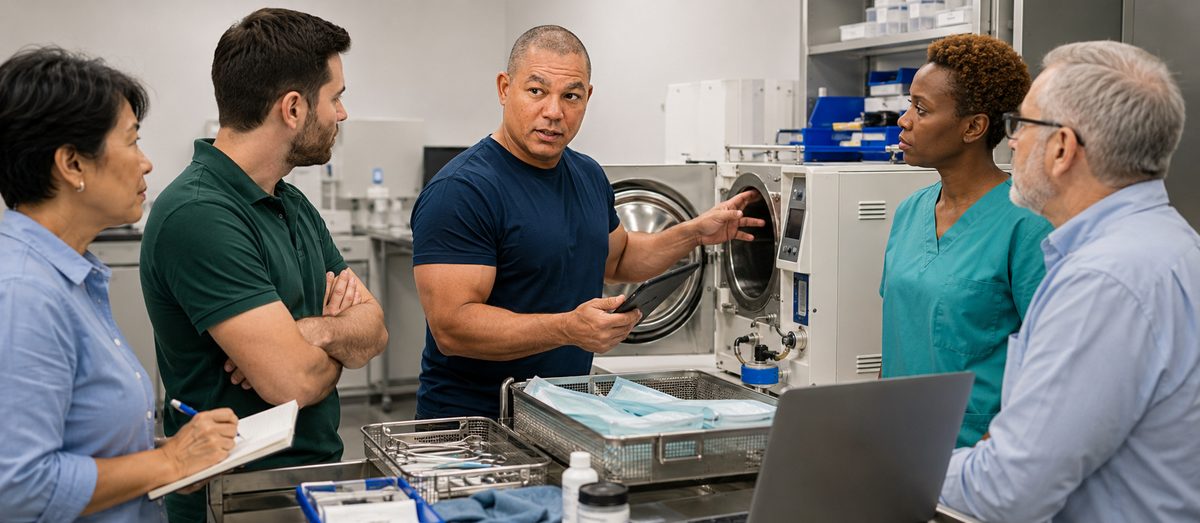
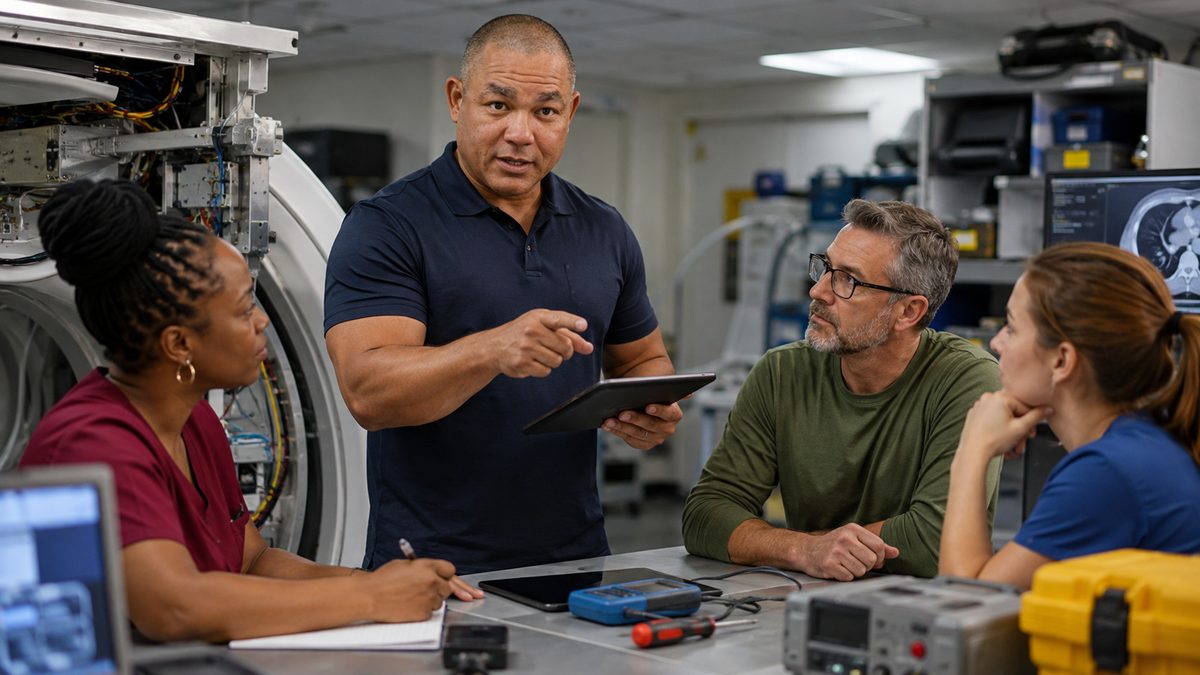
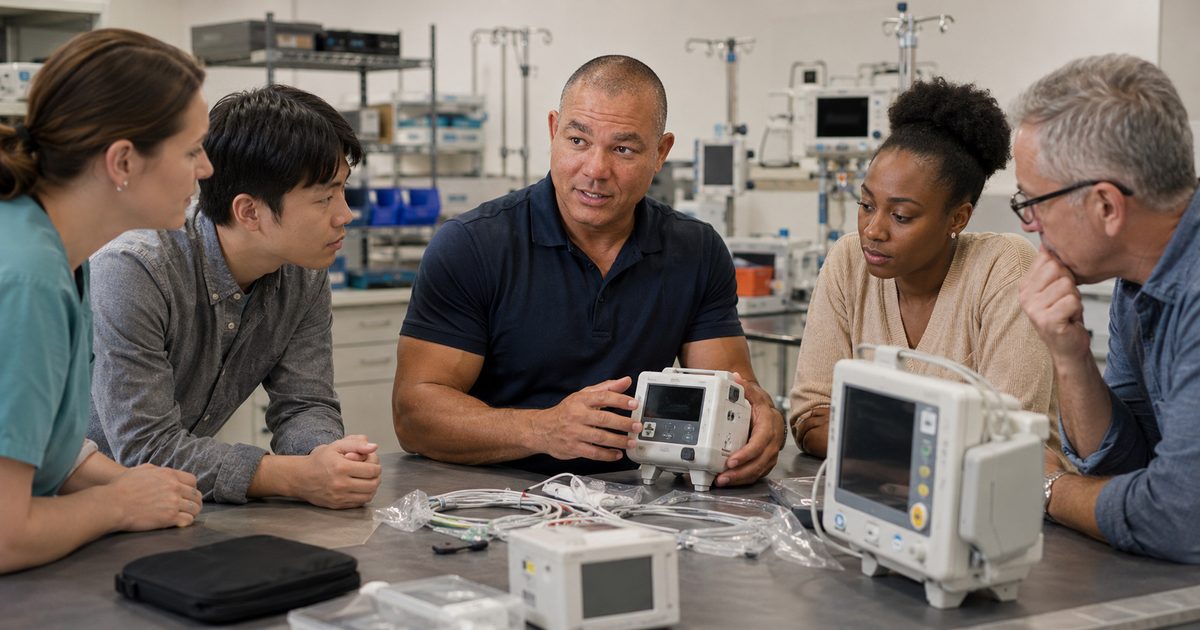
Competency has to be documented to count. Who was trained, on what, by whom, and when they were reassessed — that record is a compliance artefact as much as an educational one.
Every visit produces documentation an inspector can read without a translator: what was done, to what standard, by whom, and when it is next due.
The most useful training covers what to do when something looks wrong: how to recognise a fault, what to stop doing, and who to call. That is the part that prevents a small problem from becoming an incident report.
Scheduling is agreed rather than imposed. Clinical operations set the window, and work that cannot fit inside it gets planned around a shutdown rather than forced into a working day.
Service records are read at the worst possible moment - after an incident, during an accreditation survey, in discovery. That is the audience they should be written for, which means legible, specific and dated rather than signed off in bulk.
If you are not sure which of these pages applies to your equipment, describe the situation and a technician will tell you what the work actually requires rather than what the largest quote would cover.
Current developments in medical equipment training, with sources for further reading.