Cybersecurity and Connected Devices Reshape Biomedical Equipment Training European Union
Networked medical devices add new risk to biomedical equipment training european union. BiomedRx factors device integrity and safety into every engagement.
Everything BiomedRx publishes on biomedical equipment training european union in European Union in one place: the full service overview, the related services we provide, and the locations we cover.
This is the index for biomedical equipment training european union in European Union. If you already know which service you need, go straight to it below; if not, the full overview explains what each one covers.
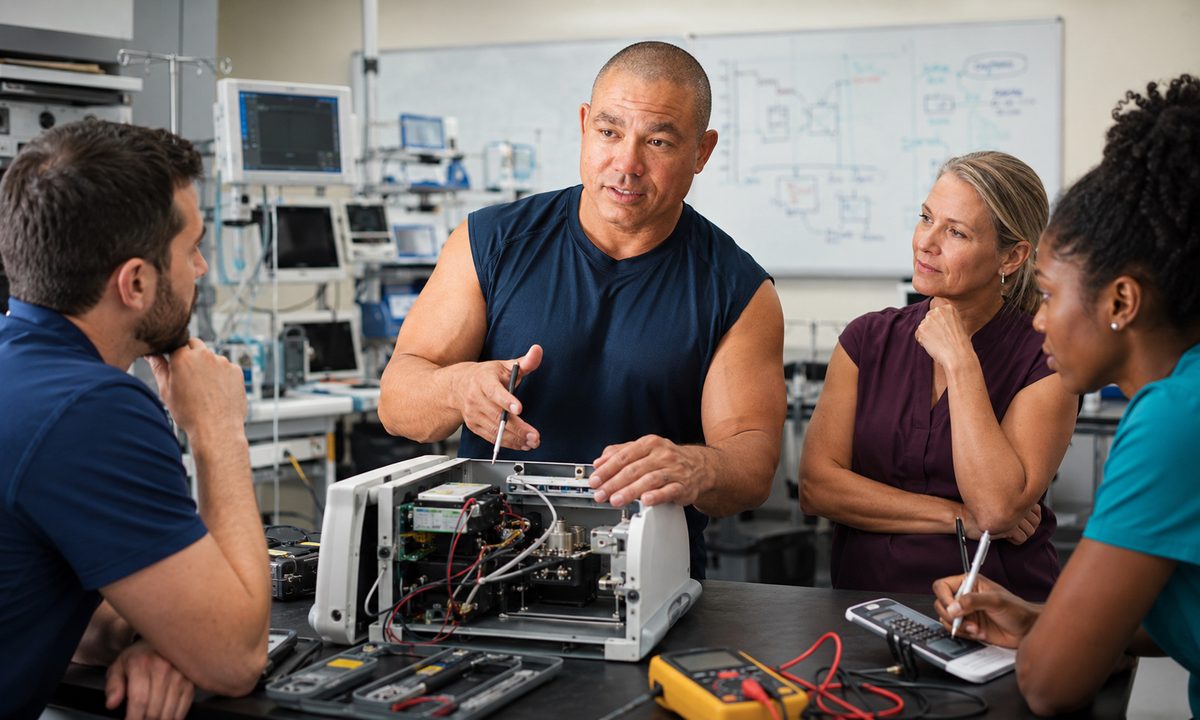
Training is what turns capable equipment into competent practice. The people who operate a device daily determine most of its uptime, and a fifteen-minute handover at installation is not training.
Findings are reported plainly, including the ones that mean a device should be taken out of service.
The most useful training covers what to do when something looks wrong: how to recognise a fault, what to stop doing, and who to call. That is the part that prevents a small problem from becoming an incident report.
Serving European Union means being reachable on the day something fails, and being predictable on the days nothing does.
A first visit starts with what is already on site: an inventory that matches reality, the service history that exists, and an honest read on which devices are worth continued investment. Nothing useful gets planned from a list nobody has verified.
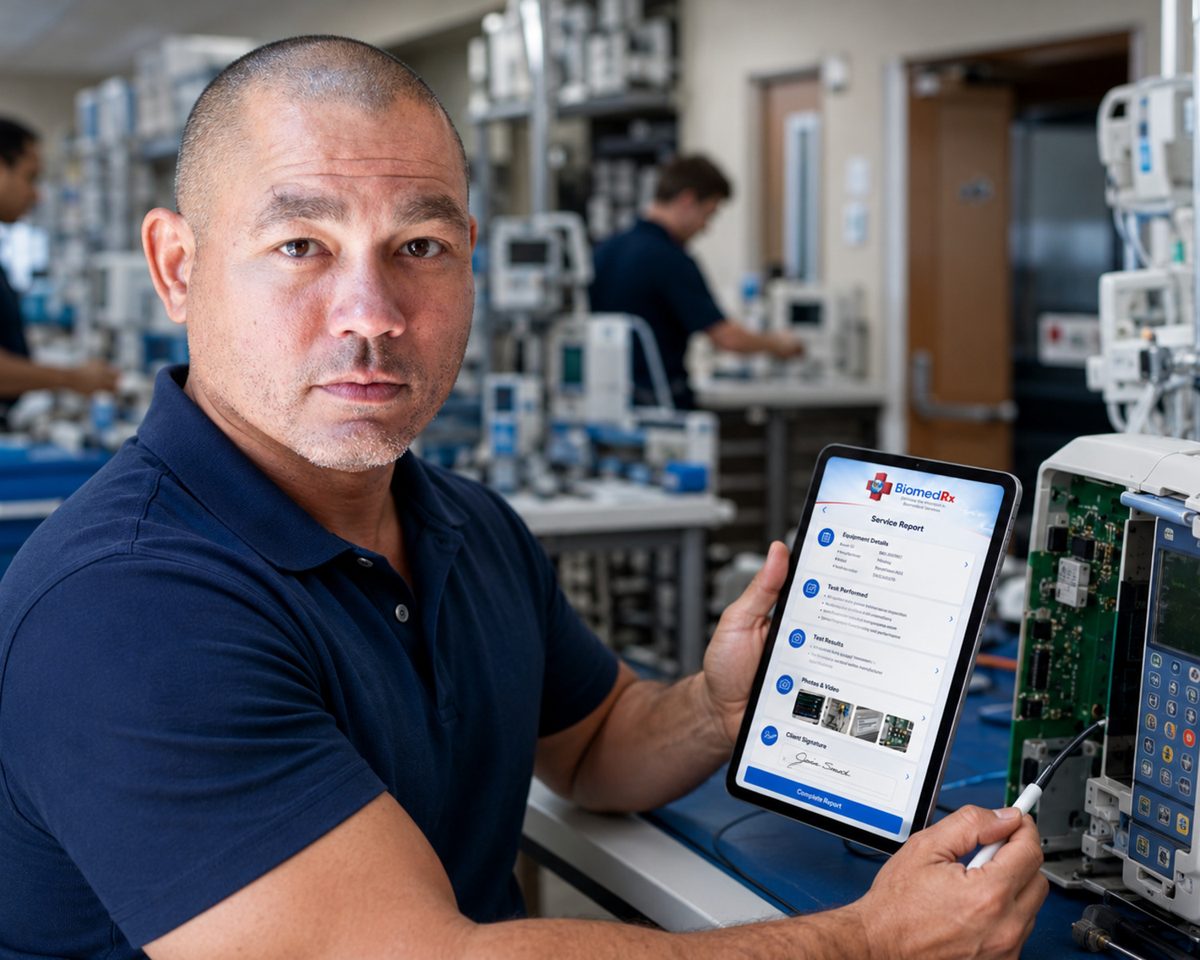
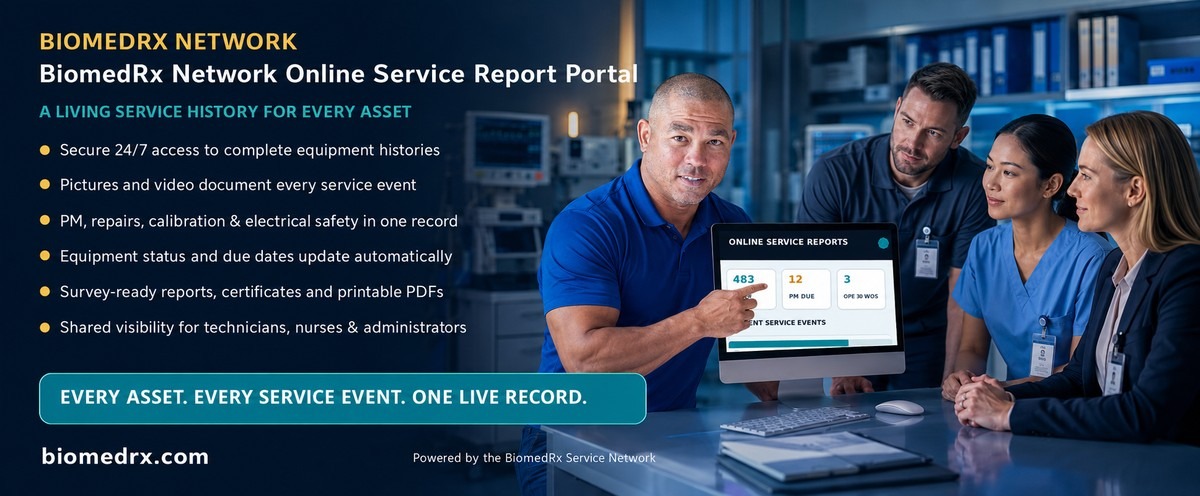
Service records are read at the worst possible moment - after an incident, during an accreditation survey, in discovery. That is the audience they should be written for, which means legible, specific and dated rather than signed off in bulk.
Quotes are specific to the equipment in front of you. The scope is agreed before the work is quoted, not after it is done.
Current developments in biomedical equipment training european union, with sources for further reading.
Primary regulations and standards referenced on this page. Where a standard is published commercially it is named in full rather than linked to a copy.